Scooter Accident Abroad: How Does a Repatriation Work?
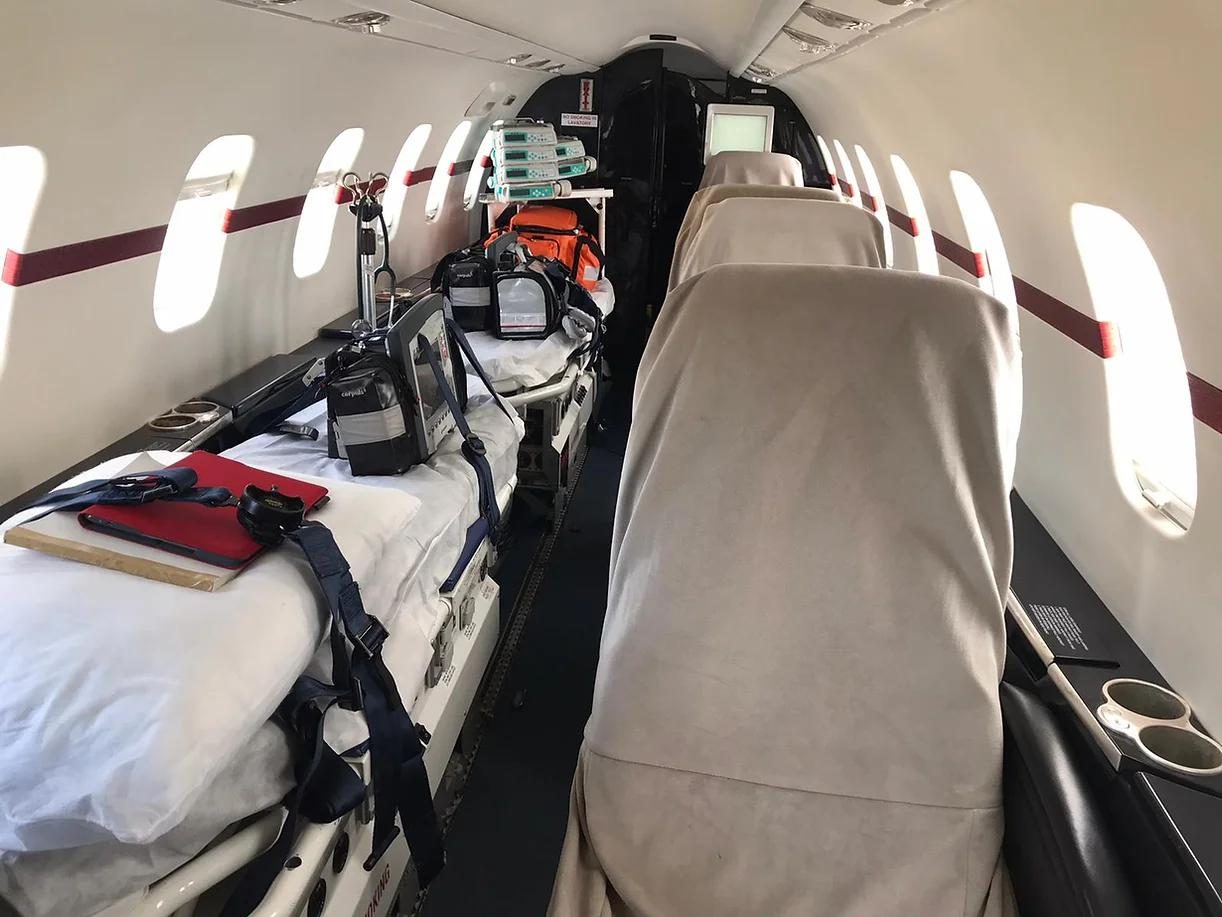
A frequent situation
Scooters and motorbikes are a convenient way to get around on holiday, and accidents are among the most frequent reasons for a repatriation. The injuries can range from fractures to head injuries, and a long hospital stay far from home is a common result.
The first steps after an accident
- Make sure the patient receives emergency care at the nearest suitable hospital.
- Keep the police report, if there is one, and the contact details of any witness.
- Keep the rental contract and any document given by the rental company.
- Ask the hospital for the medical reports and imaging, and ask whether copies can be released.
- Call the assistance company or insurer as early as possible, before committing to large expenses.
What insurers often check
Contracts differ, so read yours carefully. Insurers often check whether the rider held a valid license for the vehicle, whether a helmet was worn, whether the contract covers motorized two-wheelers and whether the activity is excluded. These conditions can change the coverage, which is why it is worth checking before you ride.
When a repatriation is considered
A repatriation is considered when the patient needs care that the local hospital cannot provide, when a long stay abroad is foreseeable, or when the patient and the family wish to continue treatment closer to home. It takes place once the patient is stable enough to travel, on the opinion of the treating physicians and of our coordinating physician.
How the transfer is organized
- We collect the medical file, the imaging and the operative reports.
- Our coordinating physician assesses the patient's fitness to fly with the treating team.
- The means of transport is chosen: air ambulance, or a commercial flight with medical escort for a stable patient.
- For a patient with fractures or a spinal or head injury, immobilization and monitoring equipment are planned.
- Ground transfers are organized at both ends, from bed to bed.
To learn more, see our page on road accident abroad and our page on spinal or head injury. You can also read the difference between an air ambulance and a commercial flight with medical escort.
General information only — not personalized medical, legal or insurance advice. Your insurance contract and the treating physician's opinion prevail in your situation.
A medical situation abroad can't wait.
Our coordinators are available right now — every day, at any hour.