Can You Fly After a Heart Attack or Cardiac Surgery?
Why the question comes up
Even in a pressurized cabin, a standard commercial aircraft flies at a cabin altitude equivalent to roughly 1,800–2,400 metres. The body receives slightly less oxygen than at sea level — a negligible effect for a healthy passenger, but one that can put real strain on a heart that is still recovering from a heart attack, an angioplasty, or cardiac surgery.
Commonly cited waiting periods
Aviation medicine bodies — including the UK Civil Aviation Authority, the IATA Medical Manual, and cardiology societies such as the British Heart Foundation — publish general reference ranges. These are guidelines, not personal medical clearance, and figures vary between sources:
- After an uncomplicated heart attack: a commonly cited minimum is around 1 to 3 weeks, depending on the source and severity.
- After a heart attack with complications (arrhythmia, heart failure, etc.): guidance generally points to 4 to 6 weeks.
- After elective, uncomplicated coronary bypass surgery (CABG): some guidance cites a minimum of around 10 days.
These figures differ meaningfully between sources and are never a substitute for the treating cardiologist's assessment — only they can authorize a specific flight date for a specific patient, based on the complete clinical picture.
What changes with a medically escorted flight
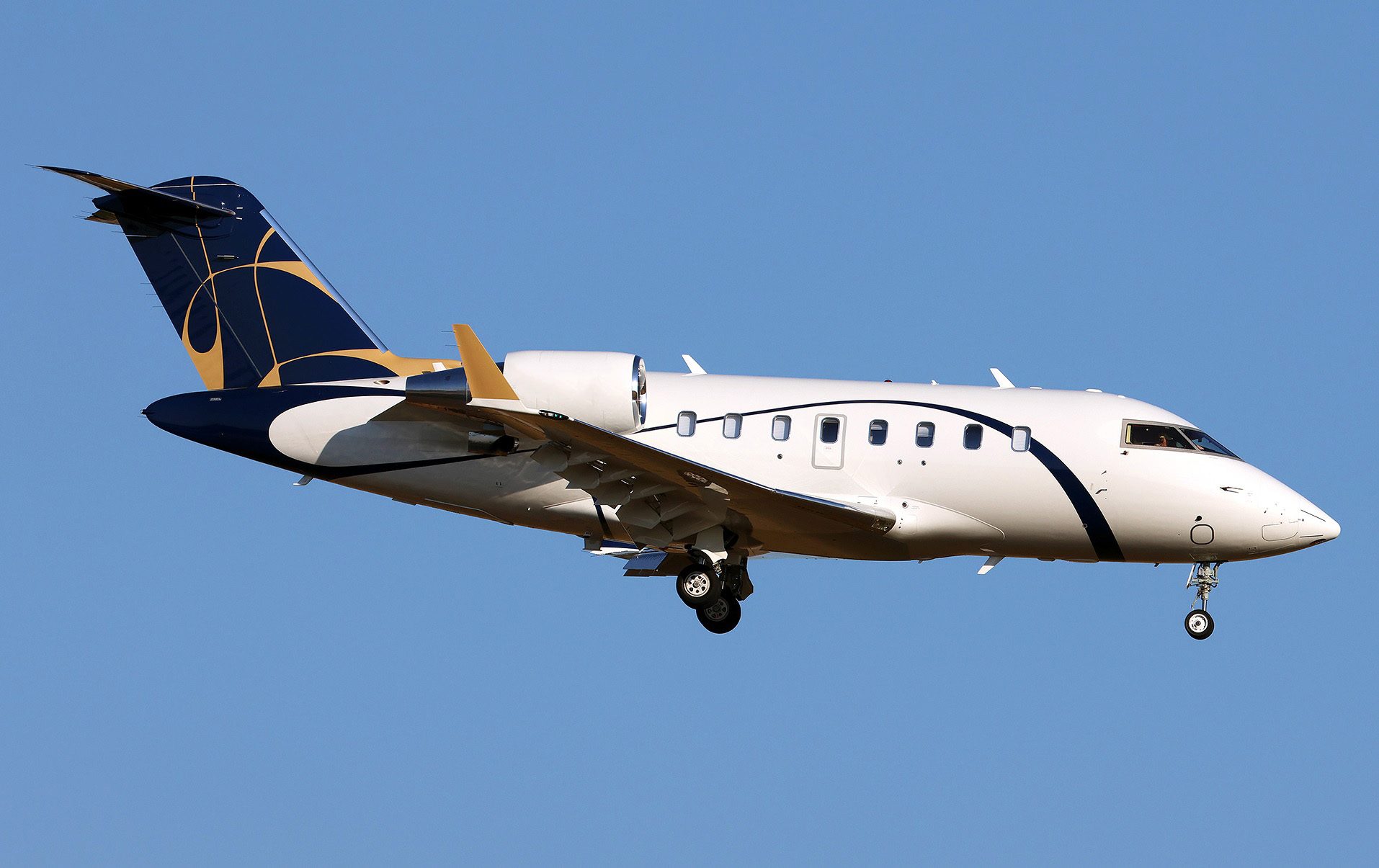
These waiting periods exist for standard commercial flying precisely because cabin altitude, unpredictable delays and a lack of on-board monitoring add real risk. A medically escorted flight changes those variables: a cabin held at or near sea-level pressure, continuous cardiac monitoring, and a medical crew on board can sometimes make an earlier or safer transfer possible — always in direct coordination with the patient's own cardiologist.
Ambulance Flight configures these missions with our Sea Level Flight service when standard cabin altitude is inadvisable, or with a full critical-care crew on board for patients who need continuous intensive monitoring.
Our recommendation
Never make a flying decision alone after a cardiac event — speak to the treating cardiologist first. If a standard commercial flight is inadvisable or uncertain, our medical desk can assess the situation together with the care team and propose a suitable transport solution, 24 hours a day, 7 days a week.
General information only — not personalized medical advice. Always confirm with the patient's treating physician before making a travel decision.
Common questions
Even in a pressurized cabin, a standard commercial aircraft flies at a cabin altitude equivalent to roughly 1,800 to 2,400 metres, so the body receives slightly less oxygen than at sea level. It is negligible for a healthy passenger but can strain a heart that is still recovering. Only the treating cardiologist can authorize a flight date.
Reference ranges vary between sources. After an uncomplicated heart attack, a commonly cited minimum is around 1 to 3 weeks; with complications, guidance generally points to 4 to 6 weeks; after uncomplicated elective bypass surgery, some guidance cites around 10 days. These are guidelines, not personal medical clearance.
A cabin held at or near sea-level pressure, continuous cardiac monitoring and a medical crew on board can sometimes make an earlier or safer transfer possible, always in direct coordination with the patient's own cardiologist.
A medical situation abroad can't wait.
Our coordinators are available right now — every day, at any hour.