Air Ambulance Operator Certifications: Which Ones Matter?
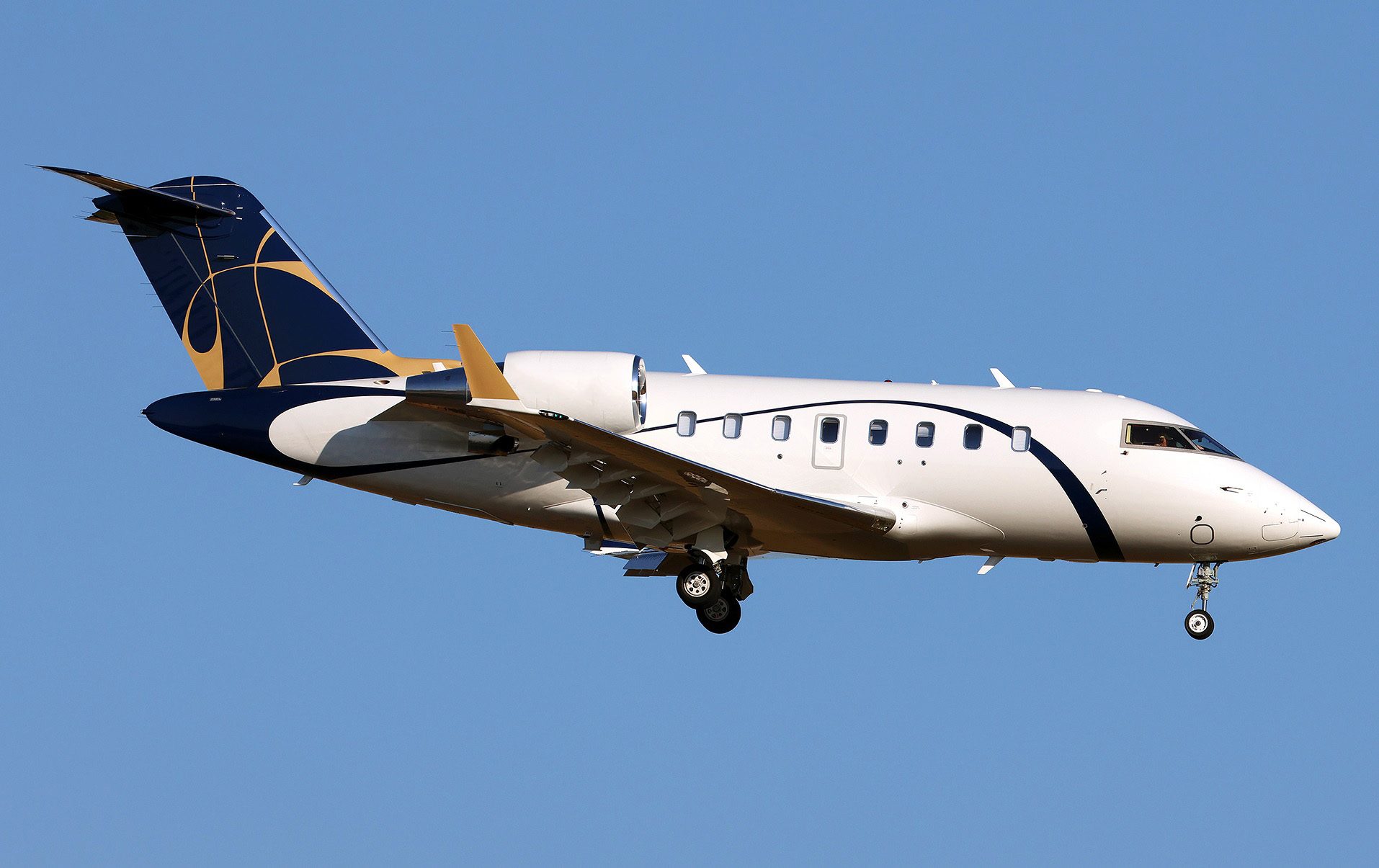
Certification is a chain, not a single document
A reliable air ambulance operation rests on several layers of certification and control, each covering a different risk: the airline operation, the aircraft, the crew, the medical team and the quality of the organization. Looking at one document alone is not enough. Here are the layers worth checking.
1. The air operator certificate (AOC)
The AOC is the authorization issued by the national aviation authority to a company to operate commercial flights. It confirms that the company meets the requirements for its organization, its crews, its procedures and its safety management. Ask for the certificate, check its validity and check that the scope covers the type of flights, including medical flights where this is specified. This is the first and most important document.
2. The airworthiness of the aircraft
Each aircraft must hold a valid certificate of airworthiness and be maintained according to an approved program. Ask whether the airworthiness is verified before the mission, and whether the aircraft registration and its maintenance status can be provided.
3. The insurance
The aircraft and the operation must be covered by a valid insurance, as required by the regulation. Ask for the proof, which is also needed by the insurer who pays the mission.
4. A specific accreditation for air ambulance operations
Beyond the AOC, some operators hold a voluntary accreditation specific to air ambulance operations, awarded by an independent body after an audit of the medical and operational standards. In Europe, EURAMI is one of these bodies. An accreditation is an additional guarantee, not a substitute for the AOC, and not all good operators hold one. Ask which accreditation the operator holds and ask for the document.
5. The qualification of the crew
The pilots hold the licenses and ratings required for the aircraft, with regular training and checks. For medical missions, experience in this type of operation matters.
6. The qualification of the medical team
Physicians and nurses must be qualified for transport and emergency medicine, with experience and regular training in air medical transport. Ask about the composition of the team for the case, and about the physician in charge.
7. The medical equipment
Medical devices used on board must be maintained and checked regularly, and the stretcher and the equipment must be fixed in the cabin according to the applicable standards. Ask how the equipment is checked before each mission.
8. The quality and safety management
A quality management system, procedures for incident reporting and a safety culture are signs of a mature operator. Some organizations hold a quality management certification, which is useful but does not replace the points above.
What to ask for in practice
- A copy of the AOC and its scope.
- The proof of insurance of the aircraft.
- The registration of the aircraft and its airworthiness status.
- The accreditation document, if the operator claims one.
- The names and qualifications of the physician and the nurse for the mission.
Our approach
We are a coordinator: the flights are operated by partner operators, each holding a valid AOC issued by its national aviation authority. Operators accredited by EURAMI are available, although not all operators are. The airworthiness and the insurance are verified before each mission, and certificates and documents are available on request before departure. See our page for insurers and assistance companies and how to choose an air ambulance provider.
In short
- The AOC comes first, then airworthiness, insurance, crew and medical team.
- A specific accreditation is an additional guarantee, not a replacement.
- Ask for the documents: a serious operator provides them.
General information only — not personalized medical, legal or insurance advice. Your insurance contract and the treating physician's opinion prevail in your situation.
A medical situation abroad can't wait.
Our coordinators are available right now — every day, at any hour.