Severe Infection or Sepsis Abroad: Air Ambulance Transfer
A severe infection, pneumonia or sepsis during a trip is treated first by the local team. Once the patient is stable, we organize the transfer to a hospital closer to home.
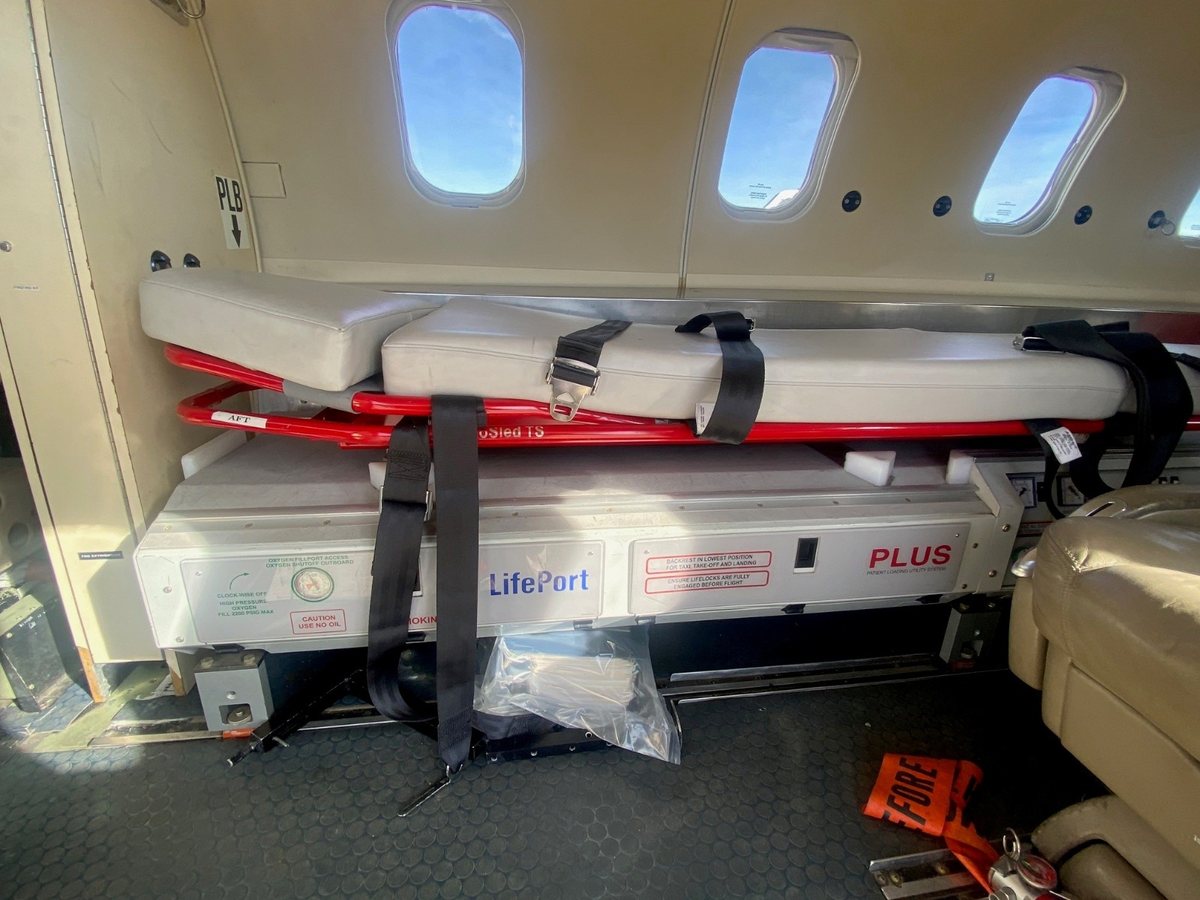
A severe infection can develop quickly during a trip: pneumonia, a urinary or abdominal infection, an infection after an injury or after surgery abroad. The first priority is local treatment. When the doctors consider that a transfer is possible and useful, for example to a hospital with a specific unit, our coordinating physician reviews the file and organizes a medically escorted flight, with intensive-care equipment if needed.
Our coordinating physician assesses each case together with the on-site medical team to determine the equipment required and the transport mode best suited to the patient's condition.
When we are called in
- Pneumonia or a severe infection during a trip, once the treating team considers a transfer possible
- Infection after an injury or an operation abroad
- Transfer to a hospital with an infectious-disease or intensive-care unit
- Return home of a patient who still needs monitoring and treatment during the journey
How the transport is organized
Before the flight
- Collection of the medical file, the results of the tests and the treatments in progress
- Assessment of fitness to fly by our coordinating physician with the treating team
- Information on any resistant germ or contagious disease, which determines whether isolation is required
- Coordination with the receiving hospital and with the ground ambulances
On board
- Medical team with intensive-care experience, adapted to the severity
- Continuous monitoring, oxygen, infusion pumps and, if needed, ventilation
- Isolation equipment when the infection requires it
- Cabin conditions managed according to the patient's breathing and stability
Fitness to fly and timing
The right moment to fly depends on the infection, the response to treatment and the stability of the patient. A patient who is still unstable is generally not transferred. Our coordinating physician talks directly to the treating team and to the receiving hospital before any flight is confirmed.
Our team can work directly with the patient's insurer or assistance company to arrange fast coverage — see our dedicated page for insurers and assistance companies.
This page gives general information about how a medical transport is organized and is not medical advice. Every decision is taken by the treating physicians together with our coordinating physician, case by case.
Related services
Common questions
Sometimes, once the treating team considers the patient stable enough, and with a medical team and equipment adapted to the case. The decision is taken case by case.
The infection status is part of the file. If isolation is required, an isolation stretcher and specific procedures protect the crew, and the receiving hospital is informed in advance.
The treating physicians and our coordinating physician decide together. We never organize a flight that the medical teams consider unsafe.
A medical situation abroad can't wait.
Our coordinators are available right now — every day, at any hour.