Fracture or Orthopedic Injury Abroad: Medical Repatriation
A fracture, a dislocation or an orthopedic operation abroad often raises the question of the return home: can the patient sit, and how long can the journey be?
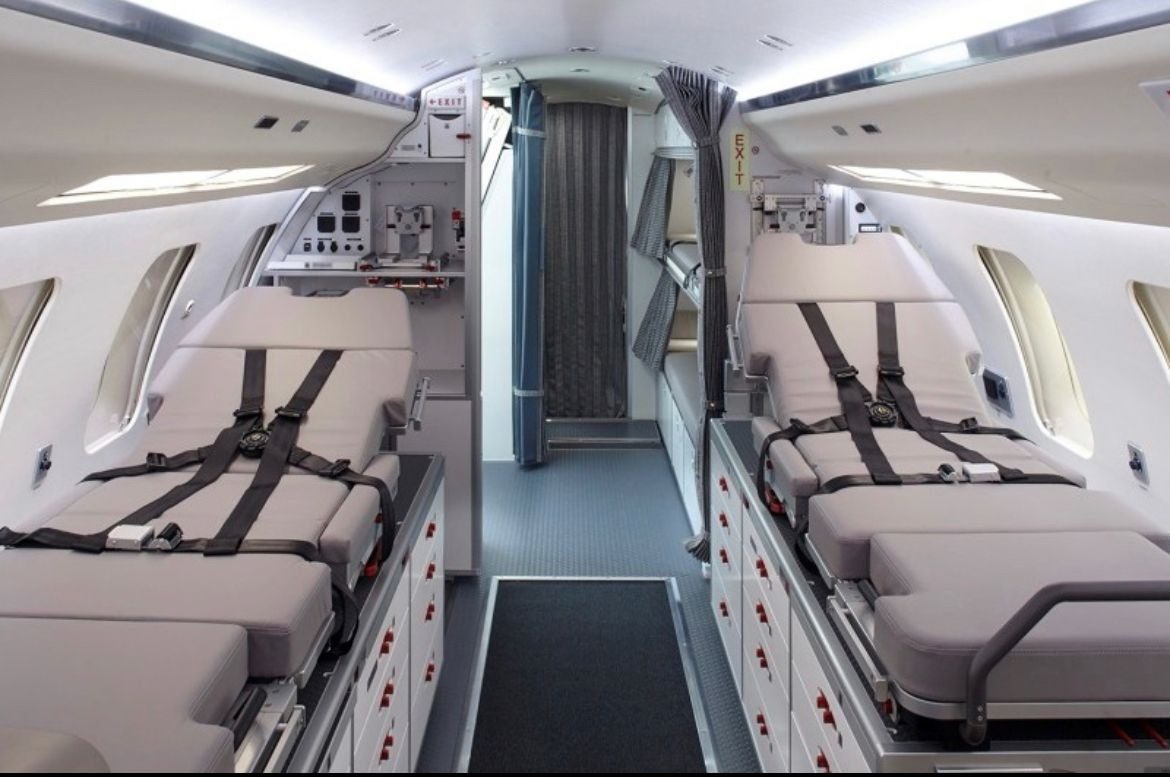
Fractures are among the most frequent reasons for a repatriation: a fall, a road or scooter accident, a ski injury. Once the injury has been treated locally, the question is how to travel home. Depending on the bone, the plaster or the operation, the patient may need to stay lying down, may be allowed to sit, or may need a specific position. Our coordinating physician reviews the file with the treating surgeon and organizes the most suitable transport.
Our coordinating physician assesses each case together with the on-site medical team to determine the equipment required and the transport mode best suited to the patient's condition.
When we are called in
- Fracture of the leg, hip, pelvis or spine after a fall or an accident abroad
- Orthopedic operation performed abroad, with a return home needed afterwards
- Patient who cannot sit, or who must keep the leg raised, during the journey
- Return to a surgeon or a hospital near home for follow-up
How the transport is organized
Before the flight
- Collection of the medical report, the imaging and the operative report from the local hospital
- Opinion of the treating surgeon on the date and the conditions of travel
- Choice between an air ambulance on a stretcher, a stretcher on a scheduled flight and a seat with a medical escort
- Ground transfers on a stretcher at both ends, and coordination with the receiving hospital
On board
- Stretcher installed in the cabin, with the leg or the limb positioned and secured
- Medical team adapted to the injury and the level of pain
- Monitoring of vital signs and pain management during the flight
- Cabin conditions managed according to the injury, for example for a fresh plaster or a recent operation
Fitness to fly and timing
There is no standard delay. After a fracture, the right moment to travel depends on the bone concerned, the type of treatment, the risk of swelling or of a blood clot and the surgeon's opinion. We discuss it directly with the treating team before any flight is confirmed.
Our team can work directly with the patient's insurer or assistance company to arrange fast coverage — see our dedicated page for insurers and assistance companies.
This page gives general information about how a medical transport is organized and is not medical advice. Every decision is taken by the treating physicians together with our coordinating physician, case by case.
Related services
Common questions
Often yes, but the conditions depend on the injury: position, type of plaster, date of the operation. The treating surgeon gives an opinion, and our coordinating physician chooses the transport with the team.
Not always. A stable patient who can sit may travel on a scheduled flight with an escort, while a patient who must stay lying down may need a stretcher, on an air ambulance or on a scheduled flight where it is available.
A limb in a plaster can swell during a flight, and a leg that stays still for a long time increases the risk of blood clots. This is why the treating physician gives an opinion before the journey.
A medical situation abroad can't wait.
Our coordinators are available right now — every day, at any hour.